
Washing Machine Repair in Abilene, TX
A washer that quits mid-week does not stay a small problem for long. Laundry piles up fast in an Abilene summer, and the laundromat across town is nobody’s idea of a good evening. If your machine won’t spin, won’t drain, leaks onto the floor, or shakes like it wants to leave the room, call [TRACKING NUMBER] and we will book the earliest visit that fits your day.
We repair washing machines in homes across Abilene and the Big Country — top-load and front-load, standard and high-efficiency. Our washing machine repair service starts with a real diagnosis, not a guess. The technician runs the machine, watches the cycle fail, and tests the parts that cause that exact failure. A washer that will not drain might need a pump, or it might just have a sock stuck where socks should never be. Testing first means you pay for the part that is actually broken.
You will hear the price in writing before any work starts, and the diagnostic fee is credited toward the repair if you go ahead. Most washer parts — drain pumps, lid switches, belts, inlet valves — ride on the truck, so most repairs finish on the first visit. Call [TRACKING NUMBER] and tell us what your washer is doing. The more you can describe — the noise, the stage of the cycle, any error code on the display — the faster the diagnosis goes.
Call [TRACKING NUMBER] — Book Washer Repair
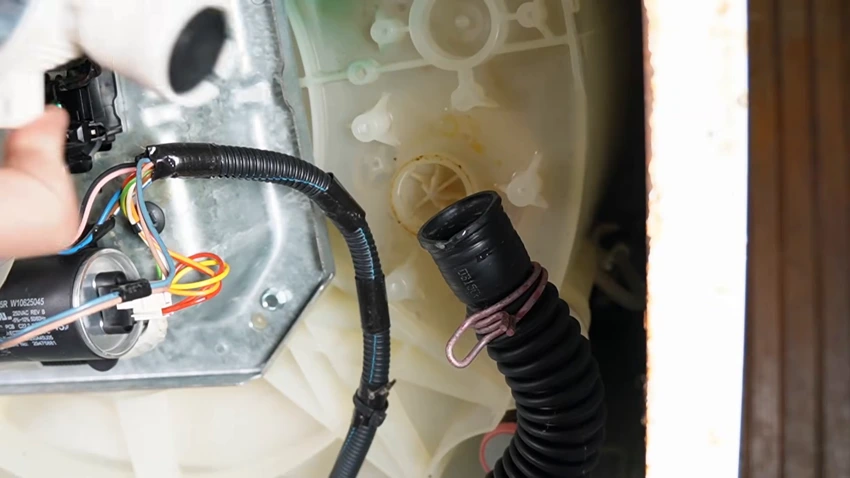
Washer Will Not Drain or Spin
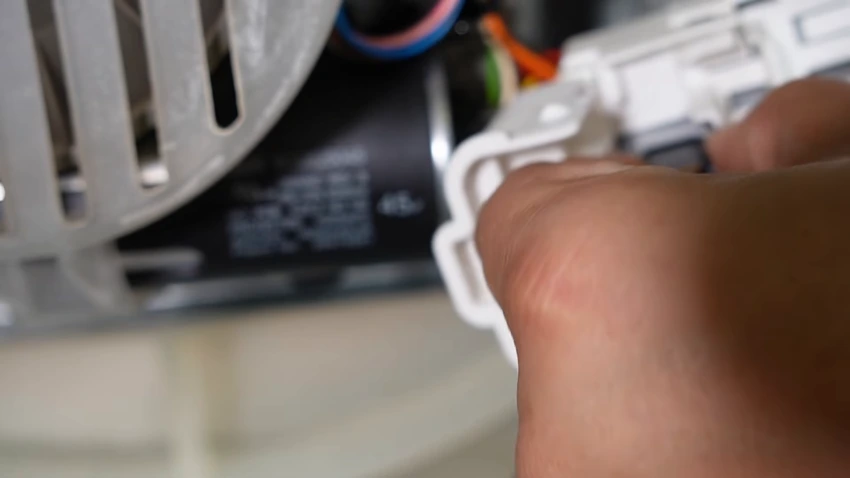
This is the call we get most. The cycle ends, you lift the lid, and your clothes are sitting in grey water. The usual causes are a failed drain pump, a clog in the pump filter or drain hose, a worn drive belt, or a lid switch that no longer tells the machine the lid is shut. Front-load machines add a door lock that fails the same way.
Some of these are five-minute finds and some need parts, but all of them are testable on the spot. We check the pump for power and blockages, test the switch, and inspect the belt before recommending anything. A clogged pump is a cleaning job, not a parts job, and we charge it that way. If the pump motor itself is dead, a replacement is one of the most cost-effective repairs in the laundry room — far cheaper than a new machine, and usually done within the hour.
Do not keep restarting the cycle hoping it clears. A pump straining against a blockage burns out, and standing water in the drum grows the musty smell front-load owners know too well.
Washer Leaking Water
A leak is the problem to take seriously, because water on a laundry room floor quietly damages flooring, baseboards, and the wall behind the machine. Leaks come from split inlet hoses, a worn door boot seal on front-load models, a cracked drain hose, a failing tub seal, or a pump housing that has finally given up. Hard water speeds all of this along — Abilene water leaves mineral crust on valves and seals until they stop seating properly.
Tell us where the water appears. Puddles at the front usually point to the door seal or the detergent dispenser. Water at the back points to hoses and connections. Water underneath with no clear source means we check the pump and tub seal first. Turn the water valves off behind the machine before we arrive if the leak is active, and we will take it from there.
Washer Shakes, Bangs, or Walks Across the Floor
A washer that travels during the spin cycle is wearing itself out. Worn suspension rods on top-load machines and tired shock absorbers on front-load models let the tub swing too far, and every load adds stress to the bearings, the motor, and the hoses. Uneven loads make it worse, but if it happens with normal loads too, the suspension is the story.
We test the suspension, check that the machine is level on solid flooring, and inspect the bearings for the roar that means they are on their way out. Suspension repairs are mid-priced and worth doing on a machine with life left in it. Failing bearings on an older washer are a different conversation, and we will have it honestly — see the repair or replace section below.
Washer Will Not Start, or Stops Mid-Cycle
A dead washer is often a small part lying about the machine’s state: a lid switch or door lock that reads open, a failed timer, or a control board that has taken one power surge too many. West Texas storms send plenty of surges through Abilene homes, and control boards are usually the first casualty. We test the switches first because they are cheap and common. Board replacement is the bigger ticket, and on a machine past ten years old we will show you the math both ways before you decide.
Brands we service: Whirlpool, Samsung, LG, GE, Maytag, Frigidaire, Kenmore, Bosch, Amana, Electrolux, and Speed Queen — top-load, front-load, and high-efficiency models.
Repair or Replace? Honest Advice for Washers
Washers live about 10 years on average. Our rule of thumb: if the repair costs less than half the price of a comparable new machine, and your washer is under 8–10 years old, repair it. Drain pumps, belts, switches, and valves are almost always worth fixing at any age. Bearings, transmissions, and control boards on a machine past ten years usually are not — that money buys a big share of a new washer with a fresh warranty. We give you the diagnosis and the price first, then the same advice we would give family.
Washer Repair FAQs
Is it worth repairing a 10-year-old washing machine?
It depends on the fault. A pump, belt, or switch on a 10-year-old machine with no history of breakdowns is usually worth it. A bearing or control board failure at that age usually is not. We will tell you which side of the line your machine sits on after diagnosis, with the price in writing.
Why won’t my washing machine drain?
The common causes are a clogged pump filter, a blocked or kinked drain hose, or a drain pump that has failed. On some models a worn belt or a faulty lid switch also stops the cycle before draining. All are quick to test in your home.
Why does my front-load washer smell musty?
Water and detergent residue sit in the door seal folds and the drain filter, and mould grows there. Cleaning the seal, running a hot empty cycle, and leaving the door cracked between loads helps. If the smell comes with slow draining, the pump filter likely needs attention too — we check it on every front-load visit.
How long does a washer repair take?
Most common repairs — pumps, belts, switches, valves — take under an hour once the part is in hand, and the common parts ride on the truck. Board or bearing work takes longer and we will give you a straight timeline before starting.
Do you repair both top-load and front-load washers?
Yes. We service top-load, front-load, and high-efficiency machines from all the major brands, in homes across Abilene, Wylie, Elmwood, and the Dyess AFB area, plus Clyde, Merkel, Buffalo Gap, and Tuscola.
Get Your Laundry Moving Again
Every day without a washer is another trip across town with a trunk full of clothes. Call [TRACKING NUMBER] now and we will book your repair visit — written price first, honest advice, and most fixes done the same visit.